Interlock Sealing in Ontario — The Complete Guide (2026)
Should you seal your interlock driveway? What kind of sealer? DIY or hire? How long does it last? Here's the complete guide for Ontario homeowners.
Interlock Sealing in Ontario — The Complete Guide (2026)
If you own an interlock driveway in Oakville, Burlington, Milton, Mississauga, or anywhere in Ontario, you've probably had the "should I seal this?" question. Here's the complete, honest answer — what sealer does, what it costs, when it's worth it, and when it's not.
What sealer actually does
Four things:
- Color preservation. UV fades pavers over 5–15 years. Sealer blocks most UV and slows fade.
- Stain resistance. Oil, rust, tire marks, leaf tannins — sealer makes them wipeable instead of permanent.
- Freeze-thaw protection. Sealed pavers reject water entry into joints; less ice expansion damage.
- Polymeric sand stabilization. Sealer bonds with the polymeric sand, extending its life.
What sealer does NOT do:
- Structural repair (cracked, settled, heaved pavers)
- Weed prevention without polymeric sand underneath
- Color change (dyed sealers can tint, but don't expect a full color change)
Wet-look vs matte — the visual difference
Wet-look sealer gives pavers a glossy, "permanently after-rain" appearance. Colors look deeper and richer. Popular for faded older driveways because it restores much of the apparent original colour.
Matte sealer preserves the natural stone look without adding gloss. Colors stay as they are. Popular for:
- Newer installations where the color is still good
- Homeowners who don't want glossy driveways
- Textured pavers (stamped patterns, tumbled-edge) where gloss can look wrong
Semi-gloss is an option some manufacturers offer — a middle ground. Less common.
Our recommendation matrix
| Paver age | Condition | We usually recommend |
|---|---|---|
| 0–3 years | Good color, want protection | Matte |
| 3–10 years | Slight fade, want it to last | Matte or semi-gloss |
| 10+ years | Faded, want color restoration | Wet-look |
| 15+ years | Significantly faded/worn | Wet-look with tint option |
Cost (Ontario, 2026 pricing)
Professional service
- Clean + re-sand only: $449–$649 depending on size
- Clean + re-sand + matte seal: $849–$1,199
- Clean + re-sand + wet-look seal: $1,099–$1,499
- Estate driveways (1,500+ sq ft): quoted individually
Prices include prep work, polymeric sand, two-coat sealer application, and warranty.
DIY materials
- Polymeric sand: $35–$55 per 50 lb bag (covers 50–75 sq ft)
- Matte sealer: $90–$130 per 5-gallon pail (covers 600–900 sq ft per coat)
- Wet-look sealer: $130–$170 per 5-gallon pail
- Surface cleaner rental: $70/day
- Total materials for DIY: $400–$700
Add in your time (15–25 hours for a 2-car driveway) and the labour savings narrow.
DIY or hire?
DIY is reasonable if:
- You're comfortable with pressure washing technique
- You have time for the multi-day process (clean, dry, sand, dry, seal)
- You're OK with the results being imperfect (haze from polymeric sand installation is common DIY mistake)
Hire a professional if:
- You want guaranteed results
- You don't have pressure washing equipment
- You want the 3- or 5-year sealer warranty
- You're not up for 20+ hours of crouching and sweeping
- You had a bad DIY experience last time
The right process — step by step
Whether DIY or hired, the process should look like this:
Day 1 — Clean
- Remove furniture, planters, vehicles
- Pre-treat stains (degreaser for oil, muriatic for efflorescence, biocide for moss)
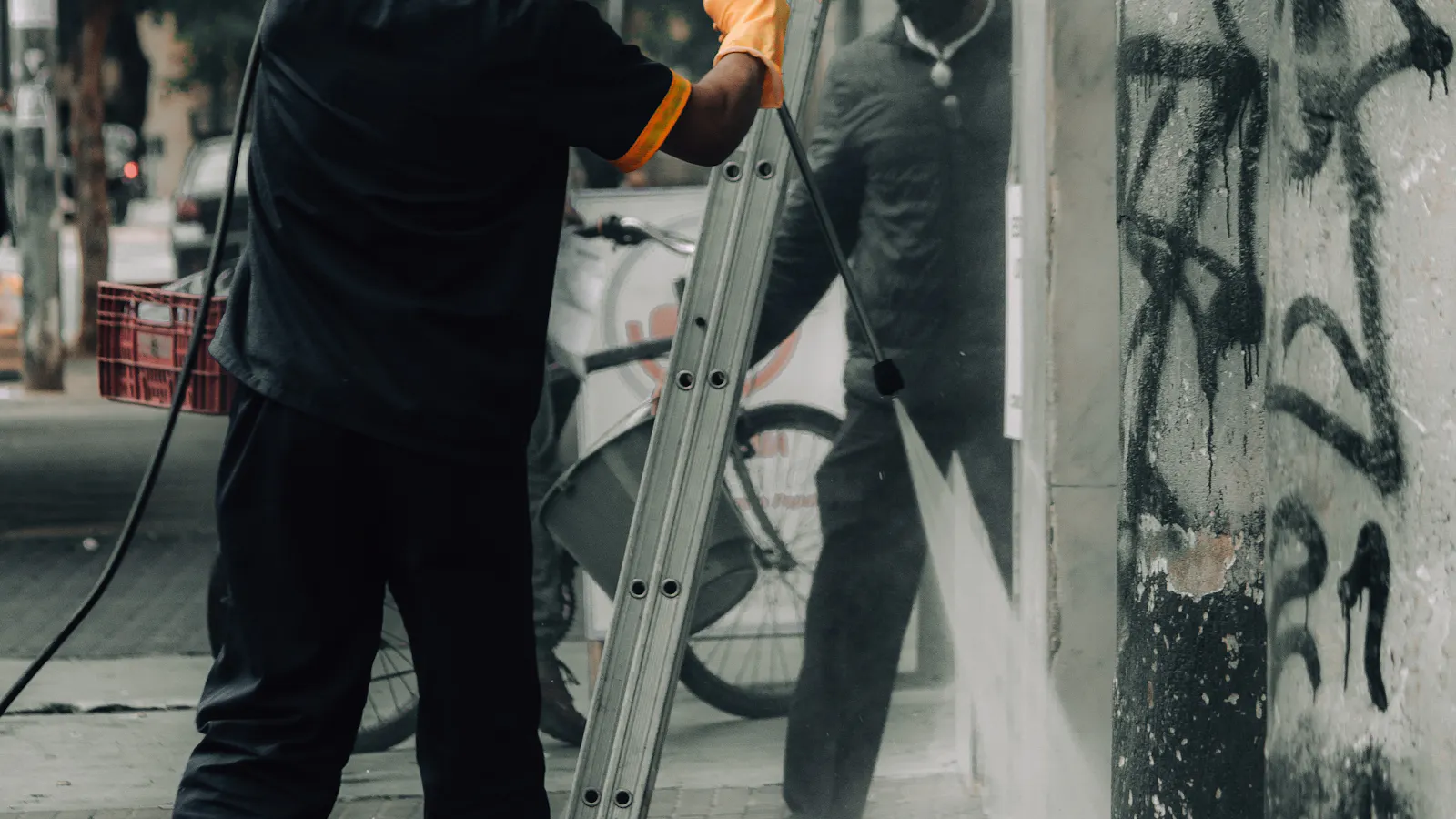
- Surface-clean pavers with rotary surface cleaner at ~3000 PSI
- Hand-detail edges and tight spots
- Post-rinse thoroughly
- Let dry completely — minimum 24 hours, ideally 48
Day 2 (or later) — Re-sand
- Verify pavers are bone-dry (this is critical)
- Pour polymeric sand on surface in small mounds
- Sweep into joints repeatedly until joints are full
- Compact with vibrating plate or heavy hand tamp
- Sweep excess off paver surface (very thorough — any residue causes haze)
- Mist with fine water spray until joints are wet but not flooded
- Wait 24–48 hours
Day 3 (or later) — Seal
- Verify pavers are dry (minimum 24 hours after sand activation, longer in cool weather)
- Test-patch sealer in an inconspicuous area
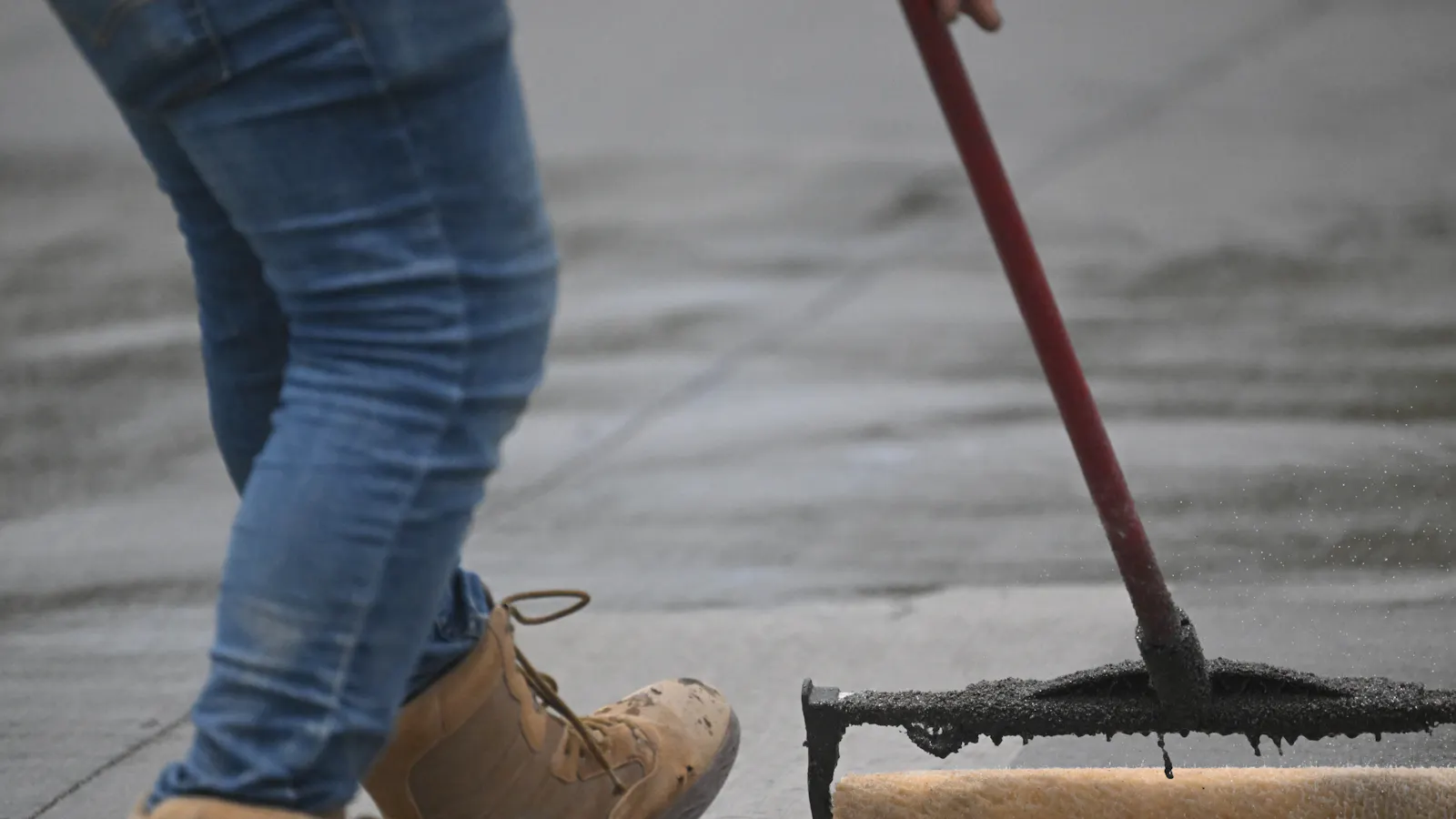
- Apply first coat with a pump sprayer or microfiber mop
- Wait 2–4 hours (product-specific)
- Apply second coat at 90° to first
- Block off driveway for 24–48 hours (no vehicles, no foot traffic)
When NOT to seal
- Cracked pavers needing replacement — seal over them and you'll seal in the damage
- Significant settlement — re-level first (different trade)
- Driveway with active efflorescence still pushing — newer installations need 12 months to cure
- Below 10°C or above 30°C — sealer won't cure correctly
- In rain or within 24 hours of rain
- Immediately after polymeric sand (wait 24–48h for activation)
Sealer maintenance
- Year 1–2: No action needed. Occasional rinse.
- Year 3: Assess — is color still good? Any stains starting to set?
- Year 4–5: Time to reseal. Don't wait for obvious failure.
- Year 5+: Reseal overdue. Stains will be harder to remove, color fading visible.
Resealing doesn't require re-stripping. Clean, allow dry, apply 1–2 coats of fresh sealer.
Common mistakes
- Sealing pavers that aren't fully dry — causes cloudiness ("milky" finish)
- Over-applying sealer — puddles, glossy-white spots, difficult to fix
- Skipping the polymeric sand — sealer alone doesn't fix joint issues
- Using driveway sealer on stamped concrete — wrong product, etches surface
- Sealing too early — new pavers need 12 months to cure
- Not testing first — always test-patch in an inconspicuous spot
The long view
Sealed pavers look better, last longer, and sell better. The investment pays back in extended paver life and appearance. For most Ontario homeowners, a clean + re-sand + seal every 4–5 years is the right cadence.
If you want a written quote for your driveway, contact us — we'll walk the job, recommend sealer type based on paver age and condition, and stand behind 3–5 year warranties.
Quick answers.
Yes — every 3-5 years for optimal protection. Sealing prevents color fade, resists stains (oil, rust), stabilizes polymeric sand, and adds freeze-thaw protection. The investment pays back in extended paver life and appearance.
Matte sealers last 2-3 years on bond. Wet-look sealers last 4-5 years on bond. Both fade gradually rather than suddenly failing. Plan to reseal every 3-5 years depending on product and exposure.
Wet-look sealers enrich paver color and give a glossy "permanently wet" appearance. Matte sealers preserve natural color while providing UV and stain protection. Wet-look is popular for faded older driveways; matte for newer installations or where you don't want gloss.