How to Clean Oil Stains and Salt Damage from a Driveway (Step-by-Step)
Five stain types, five specific treatments. What works on fresh oil vs set-in oil, how to handle winter salt damage, and when to stop DIY and call in help.
How to Clean Oil Stains and Salt Damage from a Driveway (Step-by-Step)
Five stain types, five specific treatments. This guide covers fresh oil, set-in oil, rust, salt damage (efflorescence), and organic staining (algae/mildew). Most can be DIY with the right product; a few need professional help.
The five common driveway stains
1. Fresh oil (under 48 hours)
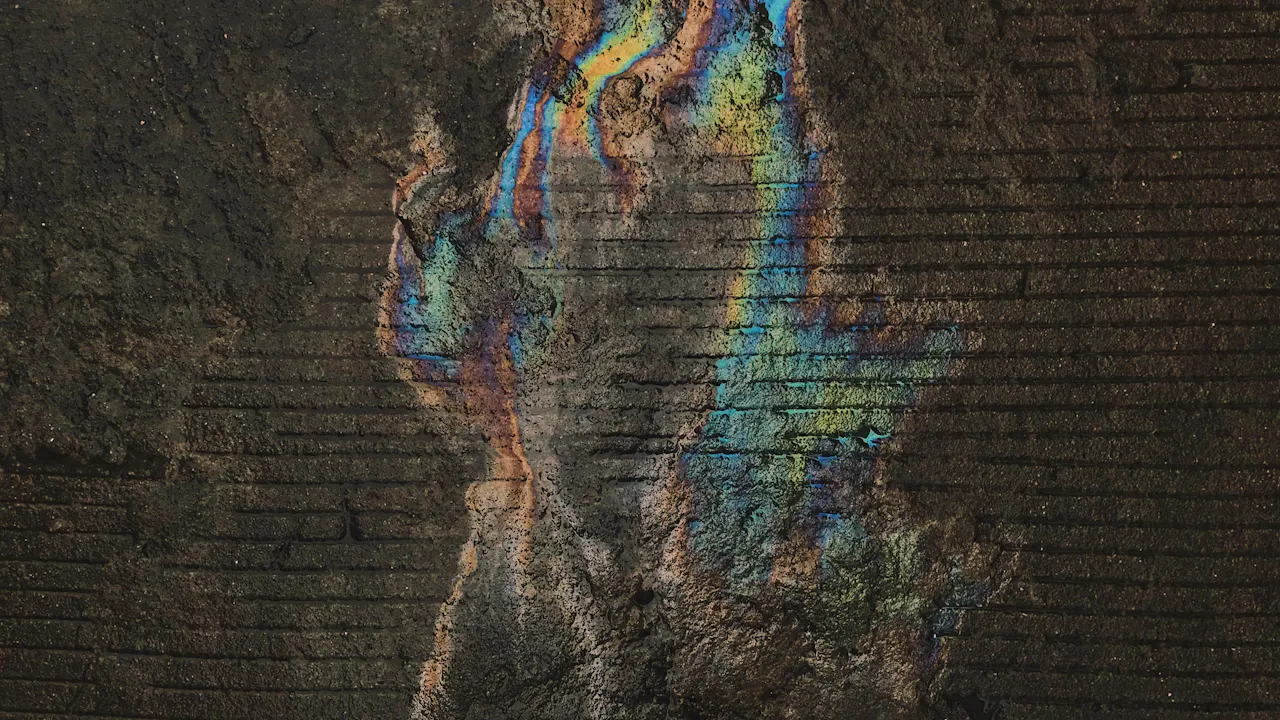
Appearance: Dark, still wet or tacky to touch.
Treatment:
- Apply absorbent (cat litter, clay absorbent, or sawdust) generously
- Cover with cardboard or plastic to prevent foot traffic
- Let sit 24 hours
- Sweep up absorbent
- Apply degreaser, scrub with stiff brush
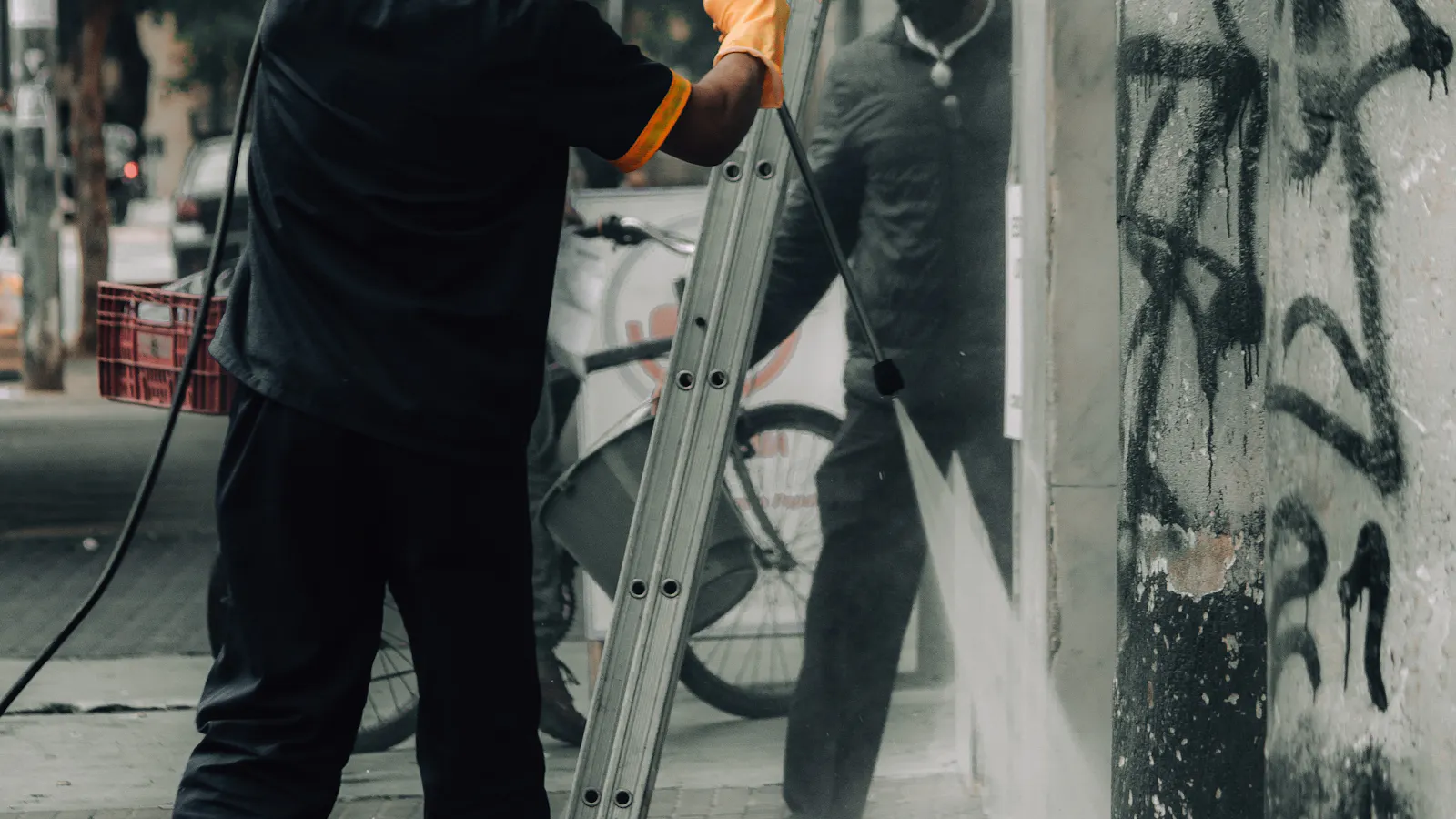
- Rinse with pressure washer at 3000 PSI, 15° tip, 6" away
Success rate: 90%+ on fresh stains.
2. Set-in oil (weeks to months)
Appearance: Lighter colored, dry, hardened onto surface.
Treatment:
- Apply heavy-duty degreaser (Oil Eater, Zep, or TSP solution)
- Scrub aggressively with stiff brush
- Let dwell 30 minutes, don't let dry out (re-apply as needed)
- Pressure wash with hot water if possible
- Repeat 2–3 cycles if needed
Success rate: 60–90% depending on age. Older stains may leave a shadow.
3. Rust stains (iron oxide)
Appearance: Orange, brown, or red-brown discoloration. Common under basketball nets, bikes, outdoor furniture, or near metal components.
Treatment:
- Apply oxalic acid cleaner (Bar Keepers Friend powder works, or dedicated rust remover)
- Let dwell 10 minutes
- Scrub with stiff synthetic brush
- Rinse thoroughly
Success rate: 80%+ on fresh rust. Deep-set rust may leave shadow.
Caution: Don't use oxalic acid on interlock with polymeric sand joints — it can loosen the sand.
4. Salt damage / efflorescence
Appearance: White powdery deposits on concrete or brick. Often accompanied by surface pitting or spalling.
Treatment for efflorescence (white powder):
- Dry-sweep the deposits first
- Apply diluted muriatic acid (1:10 with water) using pump sprayer
- Let dwell 3–5 minutes (don't let dry)
- Scrub with stiff brush
- Rinse thoroughly — minimum 15 minutes
For surface pitting/spalling from freeze-thaw: Repair needed, not just cleaning. Small pitting can be mitigated with sealer; major damage needs concrete patching or replacement.
5. Organic (algae, moss, mildew)
Appearance: Green, black, or dark staining, often on shaded areas or under overhanging trees.
Treatment:
- Diluted bleach (1:10 with water) OR sodium percarbonate (oxygen bleach) solution
- Apply with pump sprayer
- Let dwell 15 minutes
- Scrub light areas with brush; heavy growth with stiff bristle
- Pressure wash with surface cleaner at 3000 PSI
- Apply biocide preventer after drying
Success rate: 95%+ on surface growth. Persistent growth returns without preventive treatment.
Step-by-step: the DIY master protocol
Tools you need
- Pressure washer (2500–3500 PSI; rentable from Home Depot at $70/day)
- Surface cleaner attachment (for interlock and large concrete)
- Pump sprayer (for chemical application)
- Stiff synthetic bristle brush
- Safety glasses and rubber gloves
- Plastic tarp for plant protection
- Garden hose for rinsing
Materials
- Degreaser (Oil Eater or equivalent): ~$15–$30
- Oxalic acid or Bar Keepers Friend: ~$10
- Muriatic acid (10% solution): ~$20 (handle carefully!)
- Bleach: ~$5
- Cat litter or clay absorbent: ~$15
Total: $65–$80 for a full stain-fighting kit.
The routine
- Identify stains — walk the driveway, mark them with chalk
- Protect plants — tarp any within 10 feet of work area; pre-wet grass and shrubs
- Dry-treat fresh oil first (absorbent) before wet work
- Apply specific cleaner to each stain type
- Dwell time — 10–30 minutes depending on cleaner (don't let dry)
- Scrub with appropriate brush
- Rinse — pressure wash or garden hose flood
- Check results — repeat cycle if needed
- Full surface clean — surface cleaner pass over the whole driveway
- Apply sealer if desired, 24–48 hours after drying
Salt damage prevention (the long game)
Winter salt is the #1 destroyer of Ontario driveways. The damage is cumulative — you won't see it year 1 or 2, but by year 8–10 you'll have surface pitting, spalling, and efflorescence.
Prevention:
- Seal the driveway every 3–5 years (reduces salt absorption)
- Sweep salt off as soon as temperature allows (don't wait for it to dissolve into the surface)
- Choose an alternative de-icer — magnesium chloride, calcium chloride, or sand/grit instead of rock salt
- Don't use rock salt on newer concrete (first 2 years after pour — still curing)
When to stop DIY and call professionals
- Stains older than 3 years that haven't responded to DIY
- Large surface area (full driveway clean takes hours and a surface cleaner works much better than a standard wand)
- Chemical-sensitive situations (kids, pets, nearby vegetable garden)
- Multi-stain problems requiring different chemistries
- Interlock driveways (cleaning displaces joint sand — professionals re-sand as part of the process)
- Not confident handling muriatic acid (it's caustic — pros wear full PPE)
Professional cleaning in the GTA: $199–$399 for a typical driveway. Often cheaper than the equipment rental + materials + your time.
Bottom line
Most driveway stains are removable with the right chemistry and patience. DIY is reasonable for fresh stains and smaller jobs; pros make sense for complex mixed-stain situations, older stains, and when you'd rather not spend Saturday scrubbing.
Whatever approach you take — sealing afterward is the preventive step that extends the clean and reduces how much work the next cleaning cycle needs.
Quick answers.
Fresh oil stains (under 48 hours) usually come out fully with absorbent + degreaser. Set-in stains (weeks to months) come out 60-90%. Very old stains (years) often leave a permanent shadow that can be faded but not eliminated. Sealer can mask remaining shadows.
Winter salt creates efflorescence (white powder) and can etch concrete surface. Clean with a diluted vinegar solution or mild muriatic acid (1:10), scrub, and rinse thoroughly. For etched/pitted surfaces, sealer can reduce visual impact but not repair the damage.
For organic staining (mold, algae, mildew) — yes, diluted 1:10 with water, dwell 15 minutes, scrub and rinse. For oil, rust, or efflorescence — bleach is the wrong chemistry and won't work. Always test in an inconspicuous spot first.