Roof Moss and Algae in Ontario — What Works, What Damages Shingles
Roof moss and black algae aren't just ugly — they shorten shingle life. Here's what actually works, what's safe, and what will destroy your roof (pressure washing being the #1 offender).
Roof Moss and Algae in Ontario — What Works, What Damages Shingles
Drive through any older Oakville or Burlington neighborhood and you'll see it — the dark streaks and the green moss patches on asphalt shingle roofs. Most homeowners know it's unsightly. Fewer know it's actively damaging the roof.
Here's what's actually happening up there and how to fix it without destroying the roof in the process.
What you're actually looking at
Black streaks — Gloeocapsa magma algae
The dark black or grey-brown streaks on north and shaded sides are Gloeocapsa magma — a cyanobacteria that feeds on the limestone filler in asphalt shingles. It's been a growing problem since shingle manufacturers switched to limestone fillers in the 1980s.
The algae forms a dark biofilm. Because dark surfaces heat up more than light ones, infested shingles experience more thermal cycling damage. Algae also holds moisture against the shingle, accelerating asphalt binder degradation.
Cosmetic impact: Dark streaks, usually running vertically. Structural impact: 1–3 years of shingle life lost over a 10-year infestation.
Moss patches
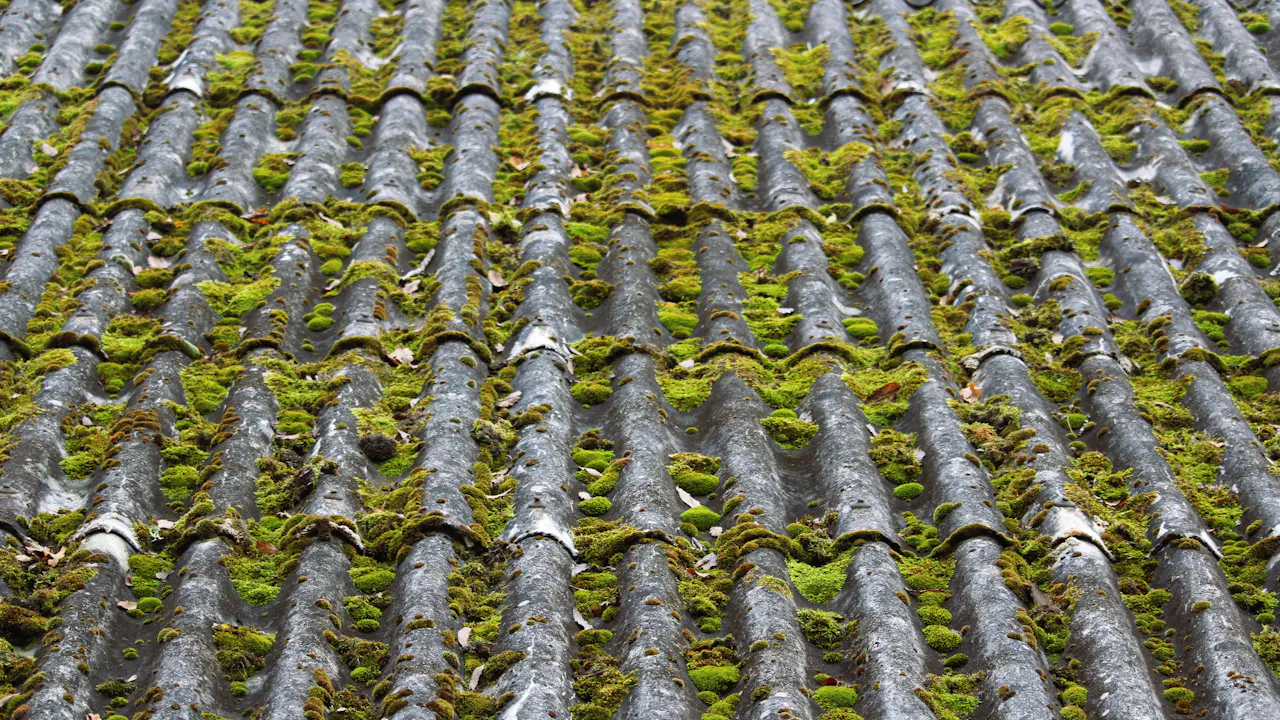
Moss grows in shaded areas where shingles stay damp. Escarpment-adjacent Burlington homes, old Oakville homes under mature tree canopy, and any north-facing roof section with tree shade are common victims.
Cosmetic impact: Green/brown patches, especially concentrated under trees. Structural impact: Moss holds water against the roof, damages shingle edges, lifts shingles at the perimeter, creates pathways for water infiltration.
Lichen
Lichen is the trickiest — combined fungus and algae that grip shingles like tiny plants. Lichen is harder to remove and more damaging to shingle surfaces than moss or algae alone.
Structural impact: Often leaves shingle granule damage even after removal.
What DESTROYS your roof (avoid these)
Pressure washing
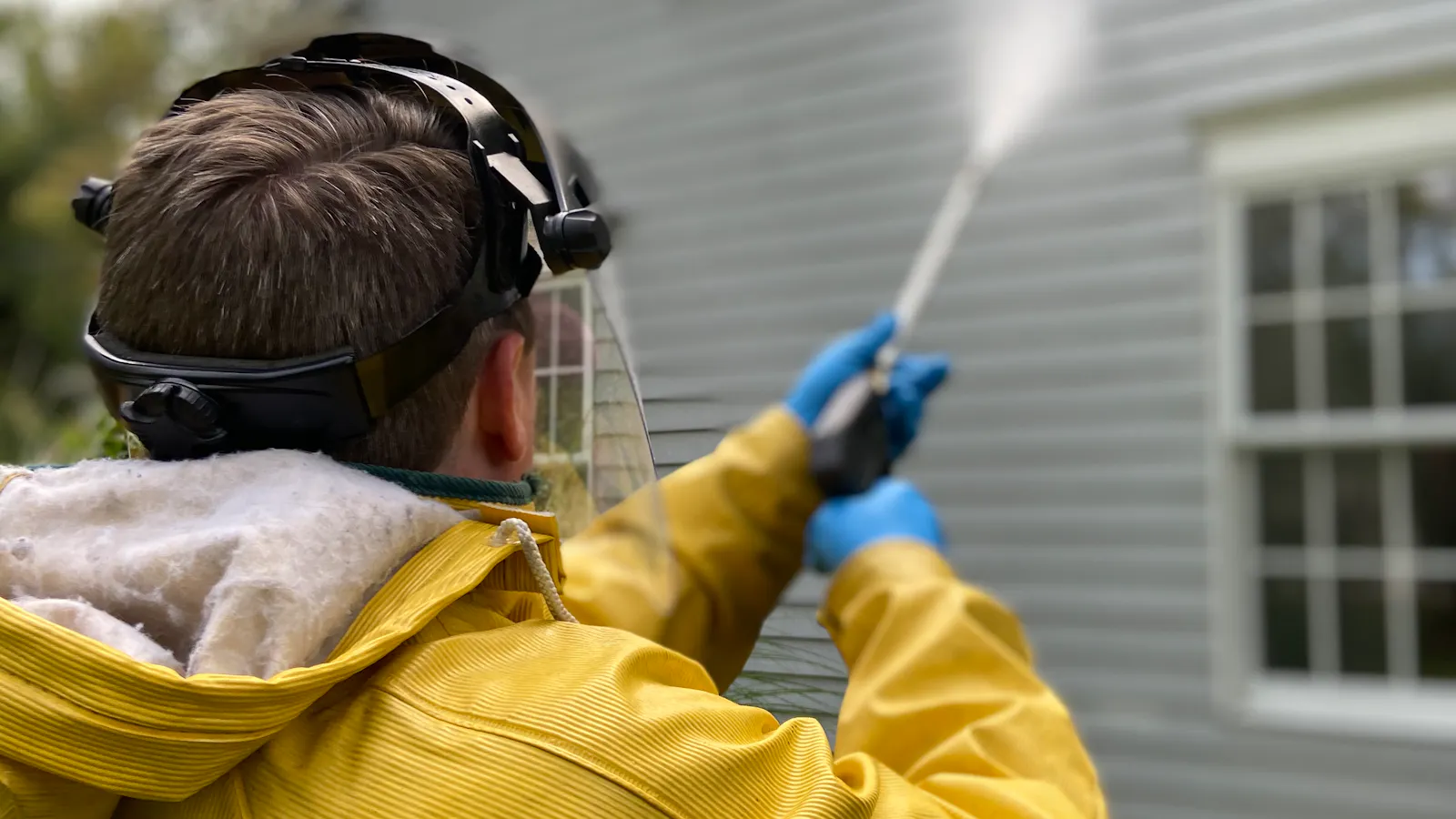
Absolutely never. Pressure washing asphalt shingles strips the granules that protect the asphalt binder from UV. One aggressive pressure wash can remove 5–10 years of roof life in minutes.
We have seen cases where a pressure wash for "moss treatment" voided a 30-year shingle warranty in an afternoon.
Walking on the roof
Not strictly roof-destroying, but it's how 80% of home-related falls happen. Shingle roofs are slippery when wet, slippery when hot, and lose grit (friction) with age.
We have a firm policy: we never walk on asphalt shingles. We spray from the ground with extended-reach equipment and let gravity/rain do the final rinse.
Using wire brushes
Destroys granules even without high pressure. Same effect as pressure washing but manual.
Using pure chlorine bleach at concentrated strength
Dilute sodium hypochlorite is the right chemistry. Concentrated (undiluted household bleach, or worse, pool chlorine) will damage metal flashing, gutters, and any painted surfaces it runs onto. Also toxic for landscaping below the roof.
What actually works
Soft-wash treatment (the professional standard)
Dilute sodium hypochlorite (around 1–3%) with surfactant, sprayed from the ground with an extended reach applicator. Dwell 15–30 minutes, then rinse (or allow rain to rinse).
- Kills algae in the first 15 minutes
- Kills moss over 24–48 hours (moss dies, then can be rinsed or falls off)
- Leaves behind a residual that prevents regrowth for 6–18 months
- Safe for shingles when diluted correctly
- Done by professionals from the ground — no roof walking
Professional cost in the GTA: $299–$599 depending on roof size and pitch. Essentially a one-time visit for significantly mossy roofs, followed by occasional maintenance.
Sodium percarbonate (the gentler alternative)
Oxygen bleach dissolved in water, applied via pump sprayer. Gentler than hypochlorite, slower acting, but safer around landscaping. Better for minor staining; less effective on established moss.
Zinc or copper strips (the long-term prevention)
Install a zinc or copper strip along the roof ridge. When rain falls, trace amounts of zinc or copper wash down the roof, killing algae and moss as they grow.
- One-time installation (usually during next roof work)
- Passive prevention for the life of the roof
- Highly effective against Gloeocapsa magma
- Does NOT reverse existing damage — prevention only
Professional installation during re-roofing: ~$200–$400 for an average home.
DIY approach (if you insist)
We don't recommend DIY roof treatment because of the fall risk, but here's how it's done safely:
- Never walk the roof. Work only from the ground or extendable pole.
- Use dilute sodium hypochlorite — 1 part household bleach to 3 parts water, with a small amount of dish soap as surfactant
- Apply with a pump sprayer and extendable wand (8–12 foot reach)
- Pre-wet landscaping below — rinse thoroughly afterward
- Spray on a cloudy cool day — no evaporation, better dwell
- Let dwell 20–30 minutes — don't let dry
- Rinse with garden hose or let rain do it
- Wait 60–90 days to see full effect
Cost: $30 for materials. Time: 2–3 hours.
Do NOT:
- Climb onto the roof
- Use a pressure washer
- Use concentrated bleach
- Spray on sunny hot days
- Spray without protecting landscaping
Preventing regrowth
Once treated, you can extend the clean period by:
- Zinc or copper strips at the roof ridge
- Annual light preventive spray — dilute hypochlorite, just enough to maintain kill
- Trimming overhanging branches — reduces shade and leaf fall
- Keeping gutters clean — prevents moss-friendly damp edges
- Repairing any leaks promptly — damp shingles are moss habitat
When to call a professional
- Moss patches larger than a dinner plate
- Established algae streaks (present for 2+ years)
- Steep roof (above 6/12 pitch)
- Two+ storey home
- Multiple roof sections with different exposure
- You don't own appropriate equipment
- You're not 100% confident in your ability to do it safely from the ground
What we do
Ontario Exterior Cleaning offers roof moss and algae treatment as part of our pressure washing service area. We soft-wash from the ground with extended-reach equipment — never walking on shingles. We use dilute sodium hypochlorite with surfactant, pre-wet landscaping below the roof line, and rinse thoroughly.
We don't offer roof repair or replacement — that's a specialist trade and we refer you to a roofer if we see underlying issues during treatment.
Typical treatment $299–$599. Included in our full-property packages at discount.
Get a quote if you're in Oakville, Burlington, Milton, or Mississauga and want your roof assessed.
Quick answers.
NEVER pressure wash asphalt shingles. You'll strip the granules that protect the shingle from UV, dramatically shortening roof life. Roofs must be soft-washed with dilute sodium hypochlorite or sodium percarbonate, sprayed from the ground.
Black streaks on asphalt shingles are Gloeocapsa magma algae. Treatment is a dilute sodium hypochlorite + surfactant spray from the ground, dwell 20-30 minutes, gentle rinse (or rain does it). Copper or zinc strips at the roof ridge prevent regrowth.
Yes — removing moss and algae stops the biological damage that shortens shingle life. A properly cleaned roof that was heavily mossed can gain 5+ years of additional service life versus leaving it untreated.